Discover the top 2026 landscape trends shaping Central Virginia outdoor spaces — from edible landscaping and climate-adapted plants to intentional outdoor living design and multifunctional landscapes.
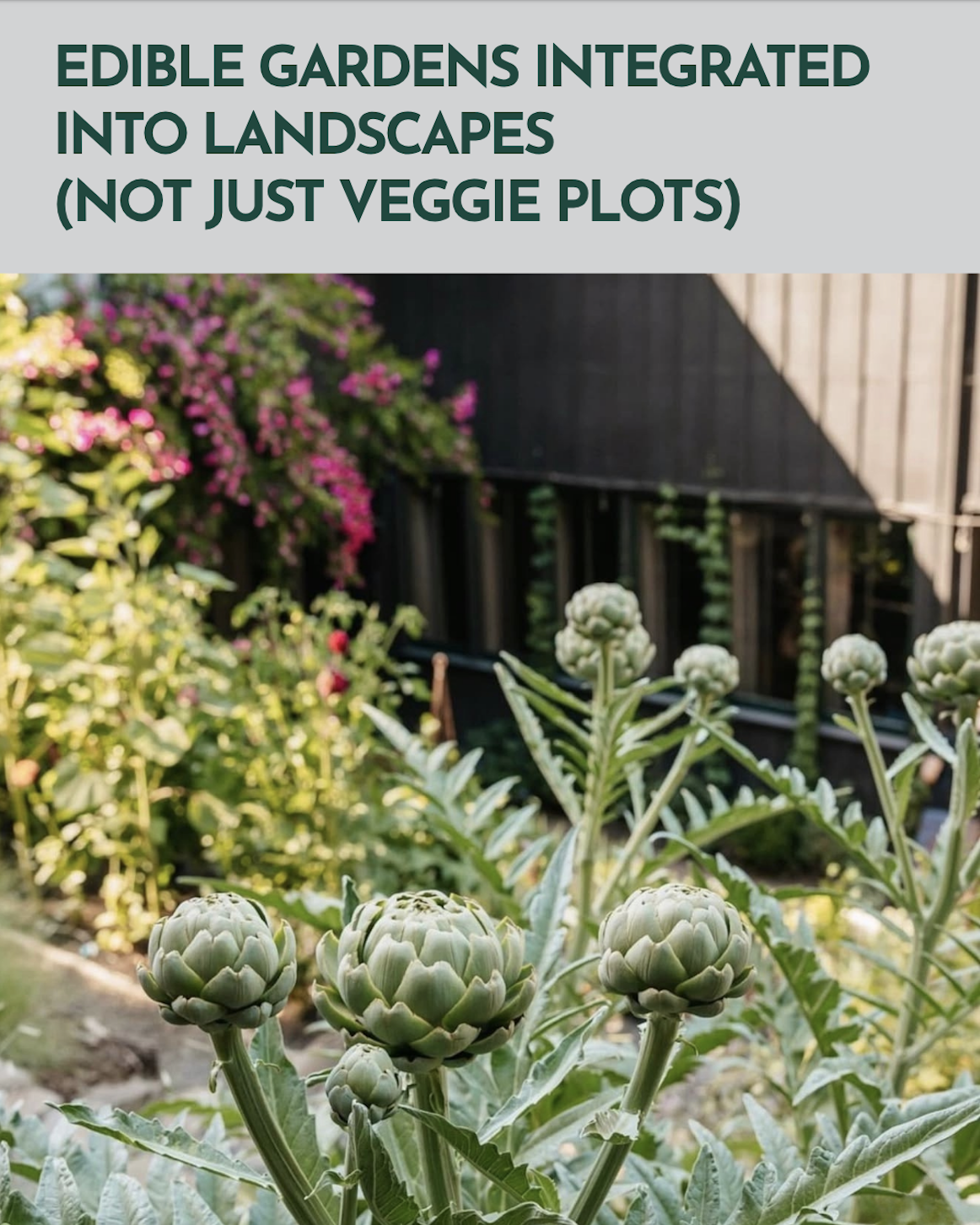
1. Edible Gardens Integrated into Landscapes (Not Just Veggie Plots)
Garden design in 2026 goes beyond separate kitchen gardens. A major trend is edible landscaping — weaving productive plants into ornamental beds, borders, and even privacy screens. This concept, sometimes called foodscaping, blends beauty and bounty by choosing “edimentals” (plants that are both decorative and edible), such as berries, herbs, edible flowers, small fruit trees, and attractive vegetables right alongside other ornamentals.
Why this matters:
Edible landscapes make outdoor spaces more functional and beautiful at the same time. Integrating food-producing plants into borders and design beds enhances biodiversity, attracts pollinators, and gives homeowners fresh, homegrown ingredients without sacrificing aesthetics.
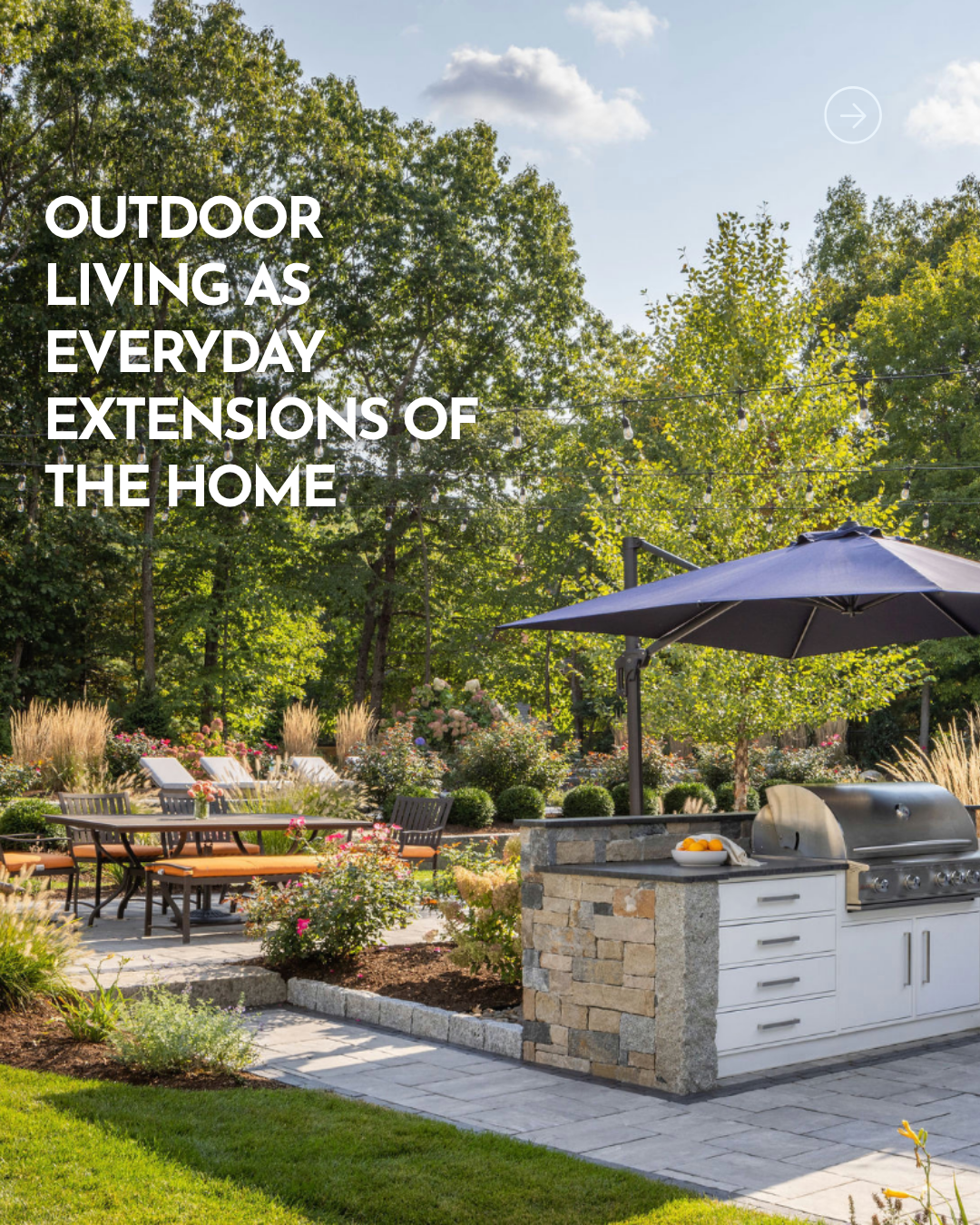
2. Outdoor Living as Everyday Extensions of the Home
Outdoor spaces are no longer just “yards” — they’re becoming true extensions of interior living. Designers are planning patios, lounges, outdoor kitchens, fire features, and flexible seating areas that feel like real rooms without walls.
Why this matters:
Clients want spaces that can be used year-round — for relaxing, entertaining, and everyday life — increasing the emotional and functional value of their property.
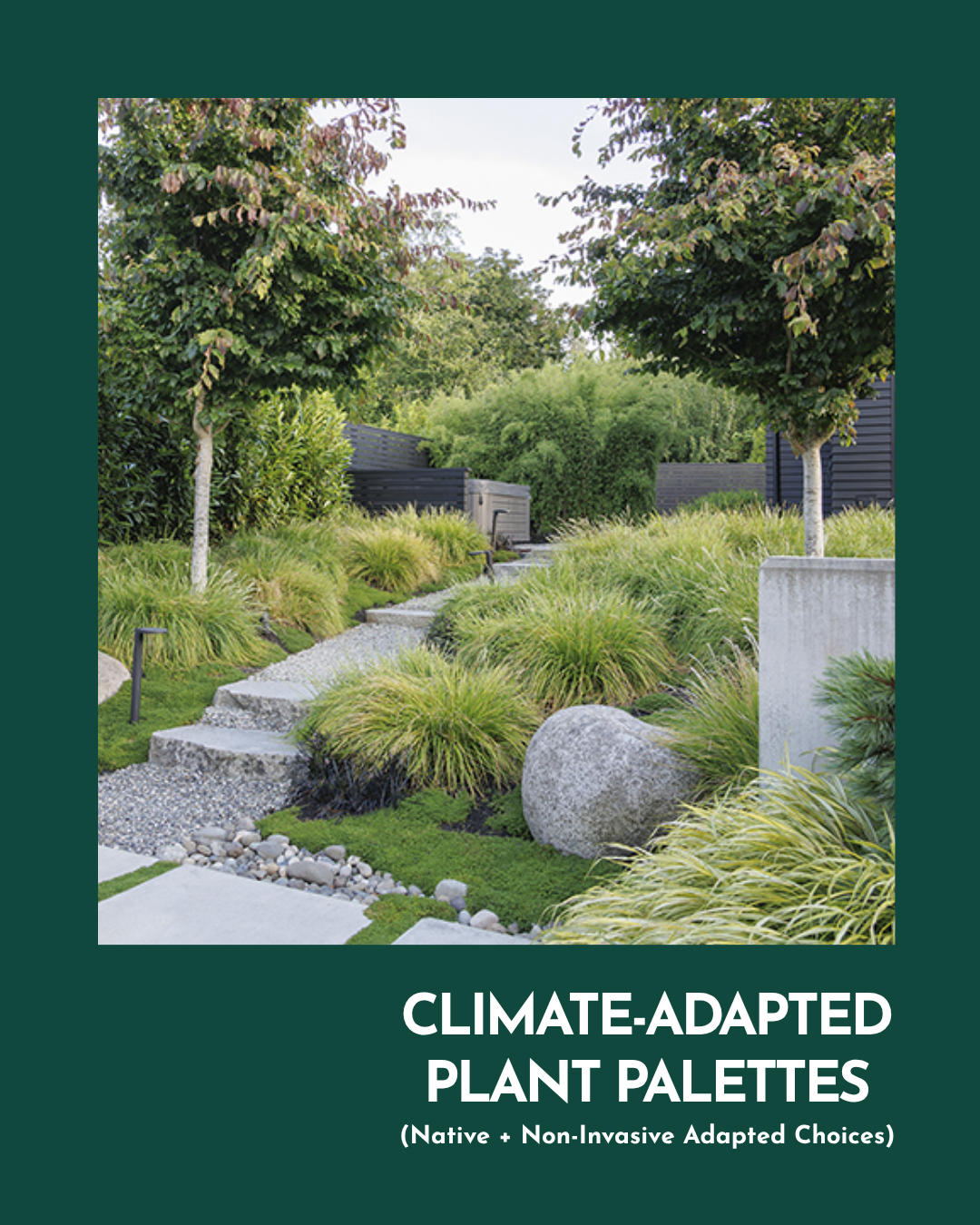
3. Climate-Adapted Plant Palettes (Native + Non-Invasive Adapted Choices)
2026 design trends emphasize plants that work with their environment, not against it. While native species remain important, many landscape professionals are also choosing climate-adapted, non-invasive plants that thrive in local conditions, require less water, resist stress, and offer ornamental value.
These plants aren’t just native; they’re regionally suited — performing well in local soil, rainfall, and temperature patterns without becoming invasive. Examples might include drought-tolerant ornamentals or shrubs that require minimal intervention once established.
Why this matters:
Using climate-adapted plants improves resilience against heat, drought, and extreme weather while reducing maintenance and resource demands — a key priority as climate variability increases.
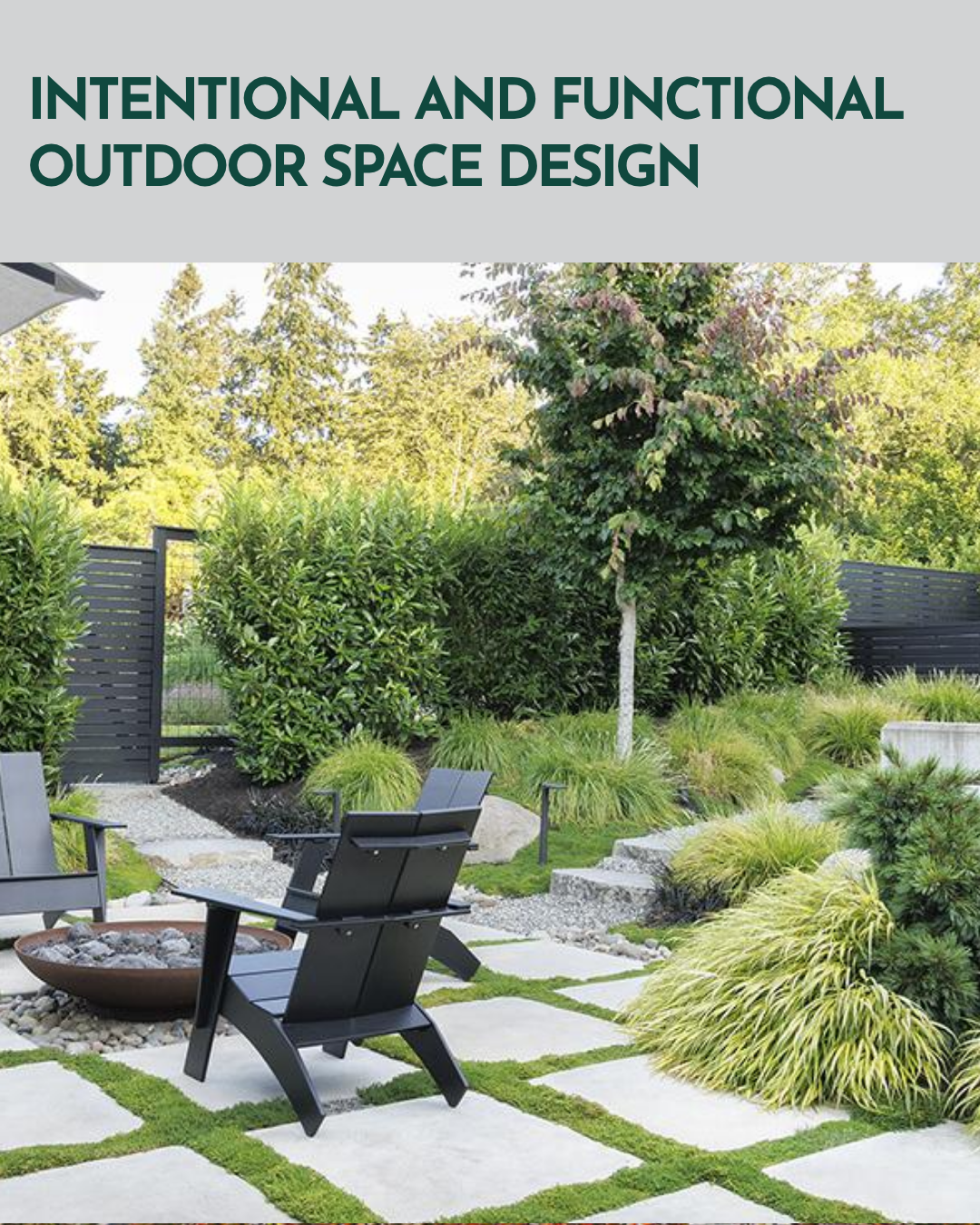
4. Intentional and Functional Outdoor Space Design
Simply filling a yard with plants is out; purposeful design is in. Landscapes in 2026 are planned with clear intention — defined circulation paths, layered planting schemes, and zones that serve specific functions, from social seating to serene garden niches.
Why this matters:
Intentional design makes outdoor spaces both more usable and more beautiful, avoiding random layouts that look pretty but don’t feel cohesive.
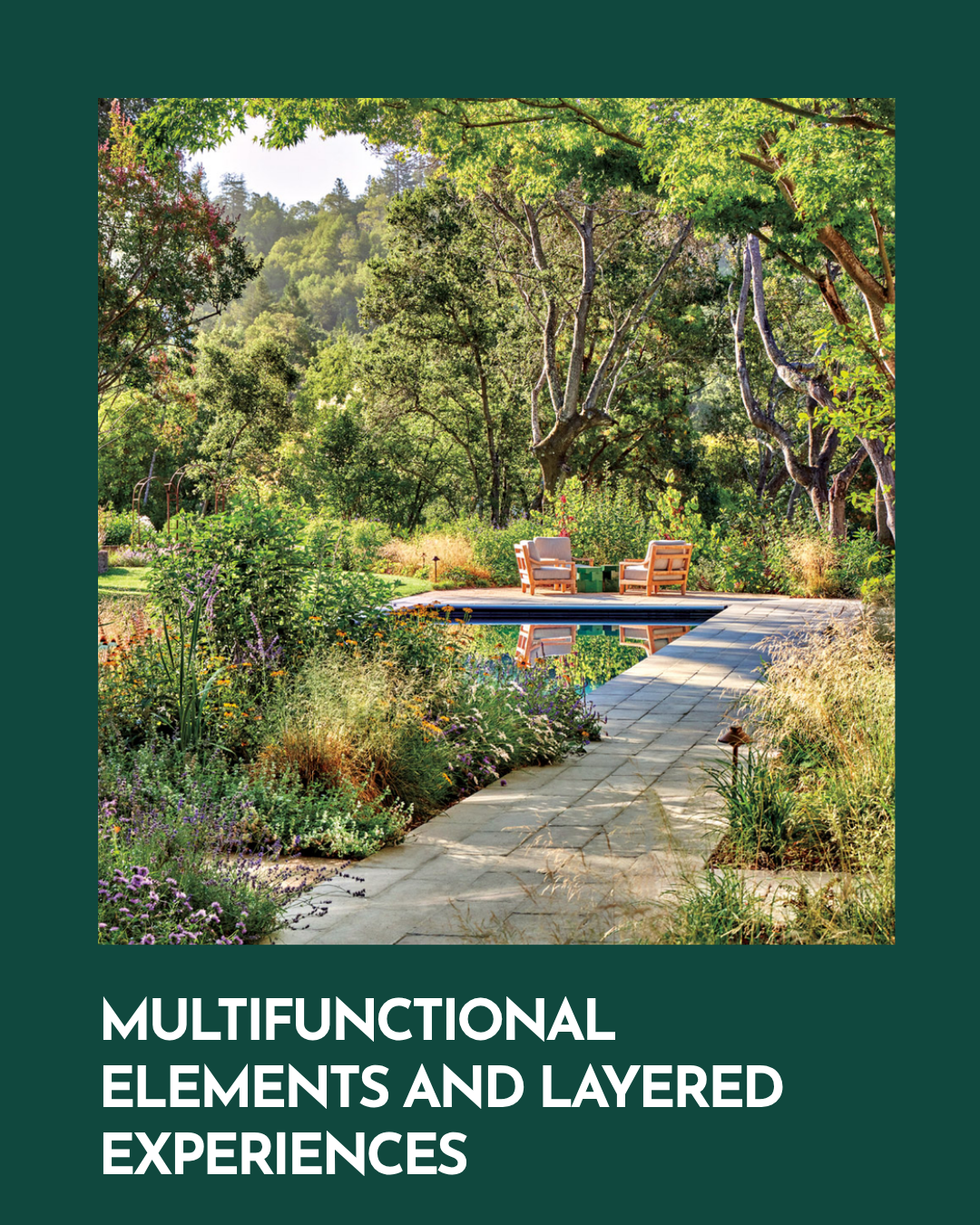
5. Multifunctional Elements and Layered Experiences
Landscapes are being designed to serve multiple purposes at once. Think edible plants woven into borders, pollinator-friendly perennials next to ornamental shrubs, layered plantings for season-long interest, and hardscape elements that double as seating or staging areas.
Why this matters:
Clients want landscapes that deliver more value per square foot — beauty, utility, habitat support, and enjoyment all in one.
Bottom Line for 2026
The biggest landscape trend isn’t about a single plant or patio style — it’s about creating outdoor spaces that are purposeful, resilient, and meaningful. From edible garden integration to climate-adapted palettes and multifunctional design, 2026 rewards thoughtful landscapes that feel intentional and work beautifully with the environment.
Plan Your Next Project With James River Nurseries
If a landscape project is on your mind, the JRN team would love to start the conversation now! Reach out at jamesrivernurseries.com/contact to get on the spring schedule.
Further Reading & Sources
- American Society of Landscape Architects
- Virginia Cooperative Extension landscape design publications
- Association of Professional Landscape Designers