When a project calls for more than 20,000 plants and over 100 species, bringing the landscape from plan to reality requires an extraordinary level of coordination.
James River Nurseries is proud to have played a role in the major expansion of Lewis Ginter Botanical Garden in Richmond, Virginia, providing plants for a transformative project that added 7.5 acres of new gardens and immersive spaces designed to deepen visitors' connection with plants and nature.
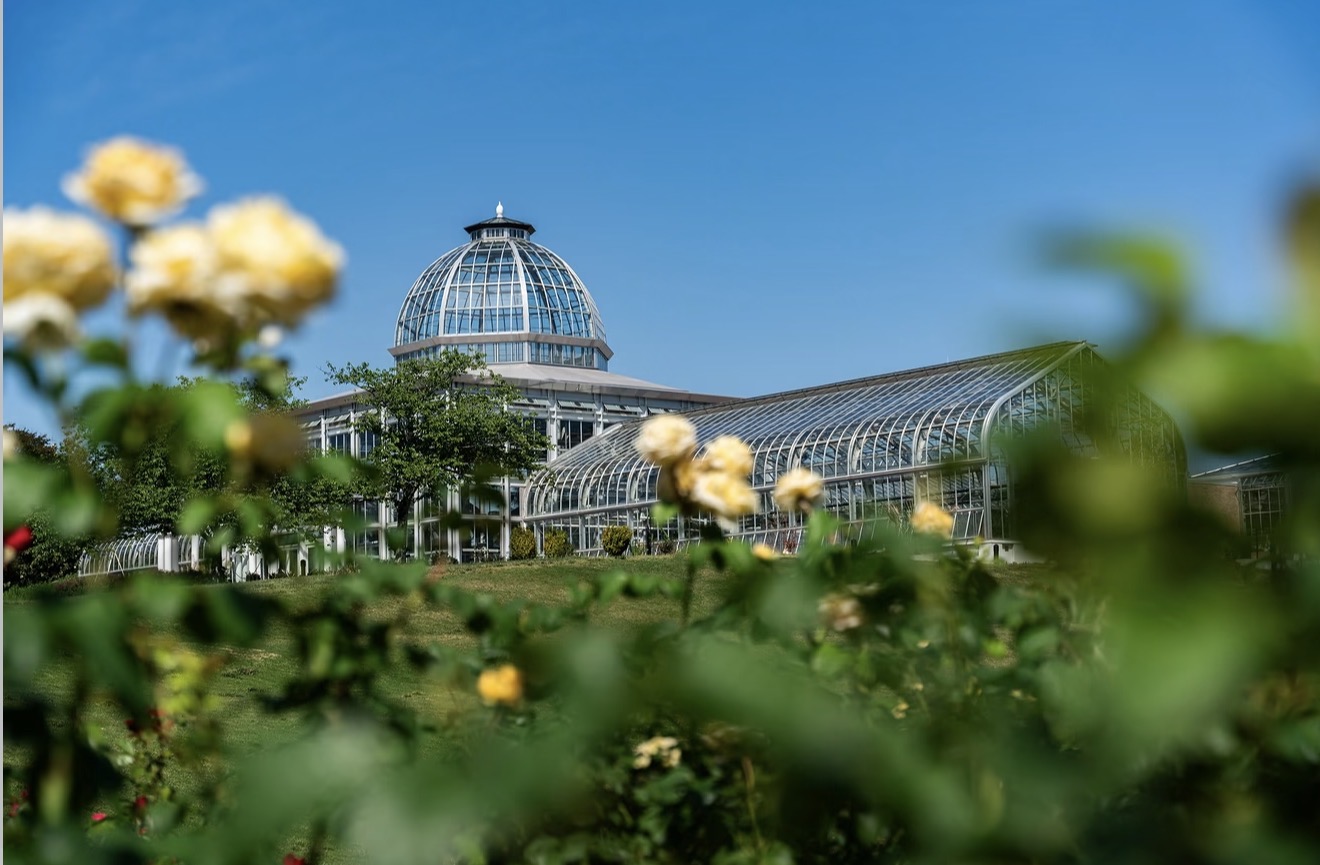
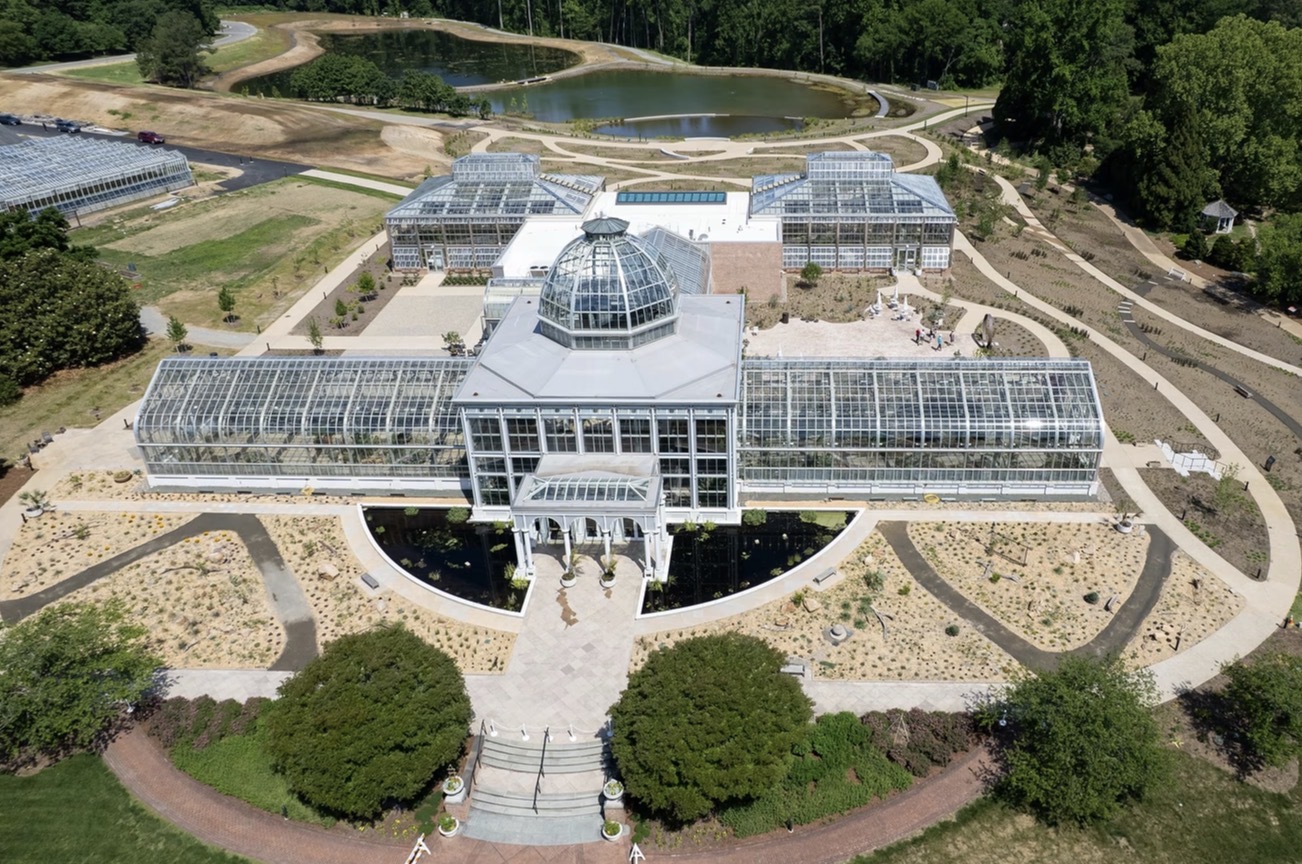
The expansion includes new outdoor gardens, an expanded Conservatory featuring four climate zones, the new Kroger Community Kitchen Garden and the Anne Cummings White Garden, an expansive hillside habitat garden featuring tens of thousands of plants.
For a company rooted in horticulture since 1983, being part of a project so deeply centered around plants is especially meaningful.
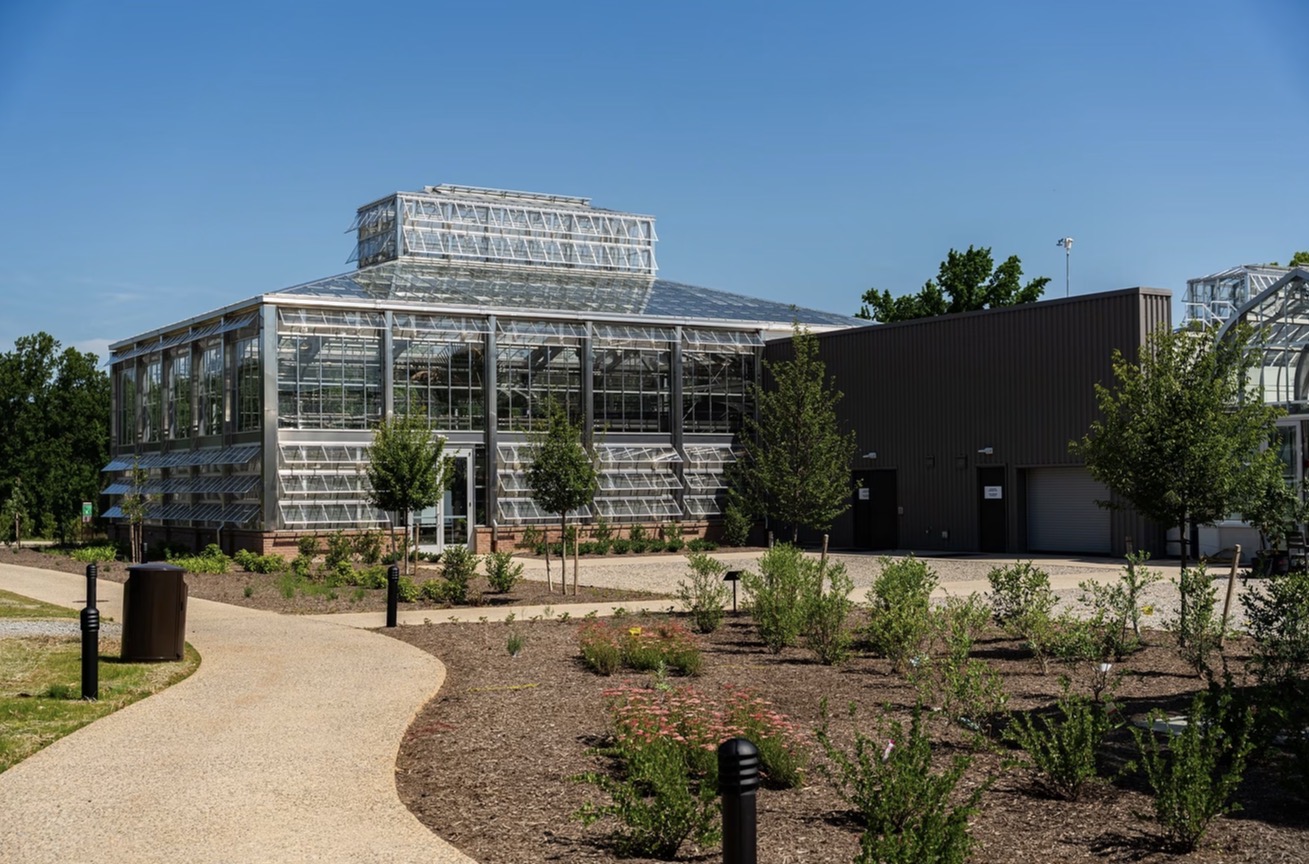
7.5 New Acres Dedicated to Plants and People
The Lewis Ginter expansion represents a significant addition to one of Richmond's most recognizable horticultural destinations.
The project added 7.5 acres of new gardens, creating spaces where visitors can experience plants in dramatically different ways.
Among them is the new Kroger Community Kitchen Garden, designed by Waterstreet Studio as a place where visitors can learn more about growing food at home and nutrition.
The expansion also includes an enlarged Conservatory with four distinct climate zones, creating immersive environments that introduce visitors to plants and growing conditions far beyond Central Virginia.
Outside, another major component of the expansion takes a distinctly regional and naturalistic approach.
More Than 20,000 Plants in the Anne Cummings White Garden
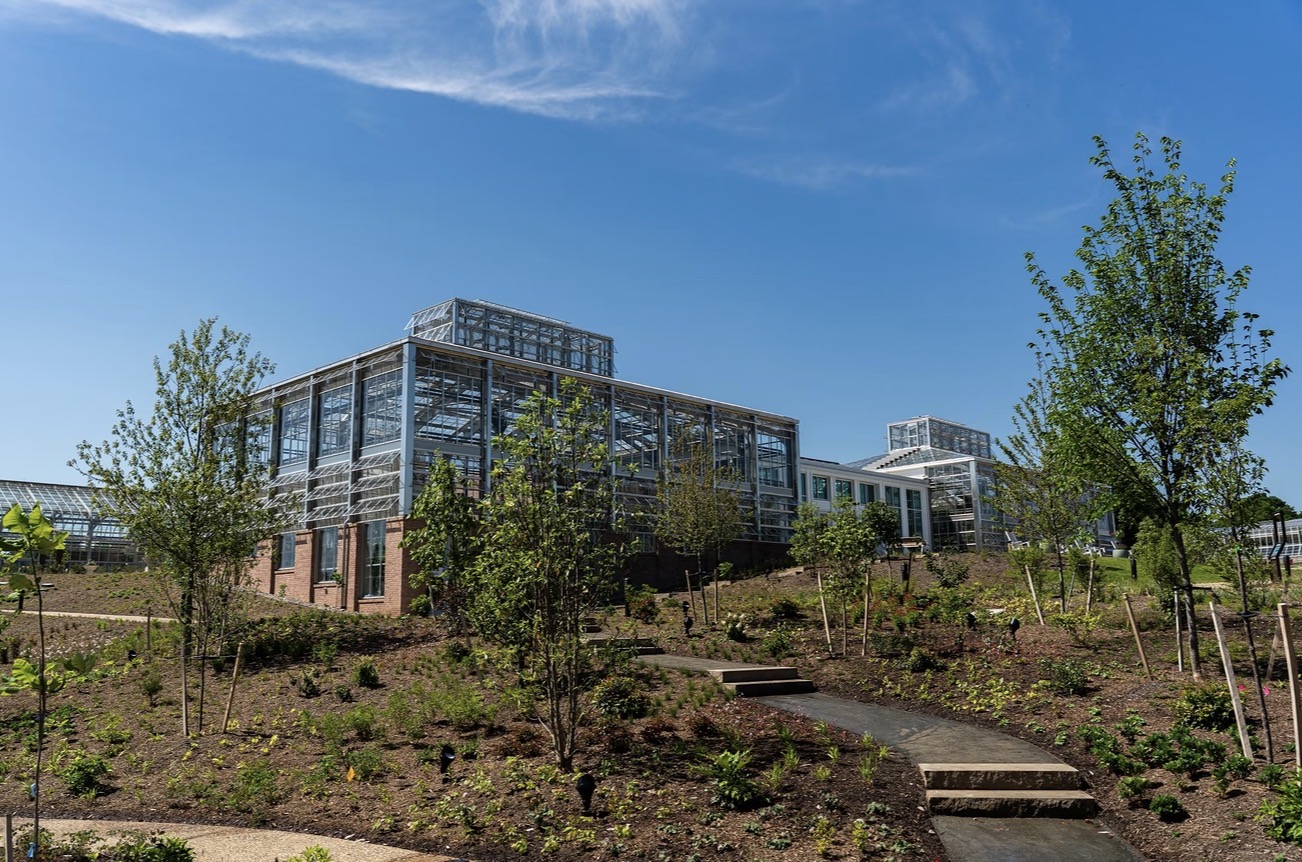
The Anne Cummings White Garden is a hillside habitat garden designed by Austin Eischeid Garden Design and his team.
Its scale alone is impressive: more than 20,000 plants representing over 100 species.
Rather than relying on isolated specimens surrounded by large areas of mulch, this type of planting creates a richly layered landscape in which plants work together as communities.
Grasses, perennials and other plant material combine to create texture, movement and seasonal change across the hillside.
It's a landscape designed not simply for opening day, but for what happens afterward.
As plants establish, spread and mature, relationships between individual species become more pronounced. The garden visitors experience during its first season will continue evolving in the years ahead.
Supplying Plants for a Landscape of This Scale
Supplying plant material for a project involving tens of thousands of plants presents an entirely different challenge from supplying a typical landscape.
It's not simply a question of finding plants.
Large-scale horticultural projects require the right plants, in the right quantities, at the right time.
When a design incorporates more than 100 species and tens of thousands of individual plants, sourcing and coordinating that plant material becomes an important component of turning the designer's vision into reality.
James River Nurseries was proud to provide plants for the Lewis Ginter expansion and to see that material become part of a landscape that will continue developing for years to come.
From Thousands of Individual Plants to One Landscape
Before a garden like this begins to feel natural, there is a remarkable amount of organization behind it.
Thousands of individual plants arrive in trays and containers. Plant material must be identified, organized and ultimately placed according to a detailed planting plan.
At that stage, it's difficult to look at thousands of relatively small plants and imagine the landscape they will eventually create.
But that's part of the beauty of horticulture.
Each plant is one small piece of a much larger composition. Over time, those individual pieces begin growing together until visitors stop seeing thousands of separate plants and simply experience the garden.
Why Plant Diversity Matters
Using more than 100 species doesn't just create visual variety.
A diverse planting palette allows designers to combine plants with different heights, textures, forms, bloom periods and seasonal characteristics.
As one group of plants finishes flowering, another may begin. Foliage can become as important as blooms. Seed heads, grasses and structural plants can carry visual interest into different seasons.
That diversity is particularly valuable in naturalistic planting designs, where change is part of the experience.
Instead of expecting a garden to look exactly the same throughout the year, visitors get to watch it continually evolve.
A Collaborative Richmond Landscape Project
Projects of this scale are never the work of one company.
The Lewis Ginter Botanical Garden expansion brought together specialists in architecture, engineering, construction, horticulture and landscape design.
Project partners included 3North as site architect, Hourigan as general contractor, Prospiant for glass and control systems, Timmons Group for engineering, and James River Nurseries for plants.
The Anne Cummings White Garden was designed by Austin Eischeid Garden Design, while Waterstreet Studio designed the Kroger Community Kitchen Garden.
Each team brought a different area of expertise to the project, ultimately contributing to one connected visitor experience.
For James River Nurseries, collaborating with talented designers, contractors and other industry professionals is an important part of executing complex landscapes throughout Virginia.
A Garden That Will Keep Getting Better
Perhaps the most exciting thing about the Lewis Ginter expansion is that its opening wasn't really the end of the project.
For the landscape, it was the beginning.
Those 20,000-plus plants will continue establishing and interacting. The hillside will become fuller. Seasonal patterns will become more pronounced. Trees and other woody plants will gain size and structure.
Year after year, the garden will look a little different.
And that's exactly what a living landscape is supposed to do.
James River Nurseries is incredibly proud to have contributed plant material to a project that celebrates horticulture on such an extraordinary scale, right here in Richmond.
We can't wait to watch it grow.
Commercial Plant Sourcing and Landscape Construction in Richmond, VA
Since 1983, James River Nurseries has brought horticultural expertise to landscapes throughout Richmond and Central Virginia.
Our capabilities extend from plant sourcing and complex planting installations to commercial landscape construction, hardscape and residential landscapes.
We work alongside landscape architects, designers, general contractors, developers and property owners to help transform ambitious landscape plans into living environments.
Whether a project requires a carefully selected specimen tree or tens of thousands of plants representing more than 100 species, our team understands that great landscapes begin with great plant material and the expertise to bring all the pieces together.
Planning a commercial, institutional or large-scale landscape project in Richmond or Central Virginia? Contact James River Nurseries to learn more about our plant sourcing and landscape construction capabilities.